Nolan the Trojan: Technology and The Odyssey
The fact that we can understand Odysseus’ nostalgia, that painful longing for a lost home (nostos), seems to show that few of us really feel at home anywhere. It is like we want to go to some imaginary Ithaka, as if we are all refugees from our essence. The obstacles on Odysseus’ quest to get home are states of mind he needs to overcome for home to really be home.
Read More
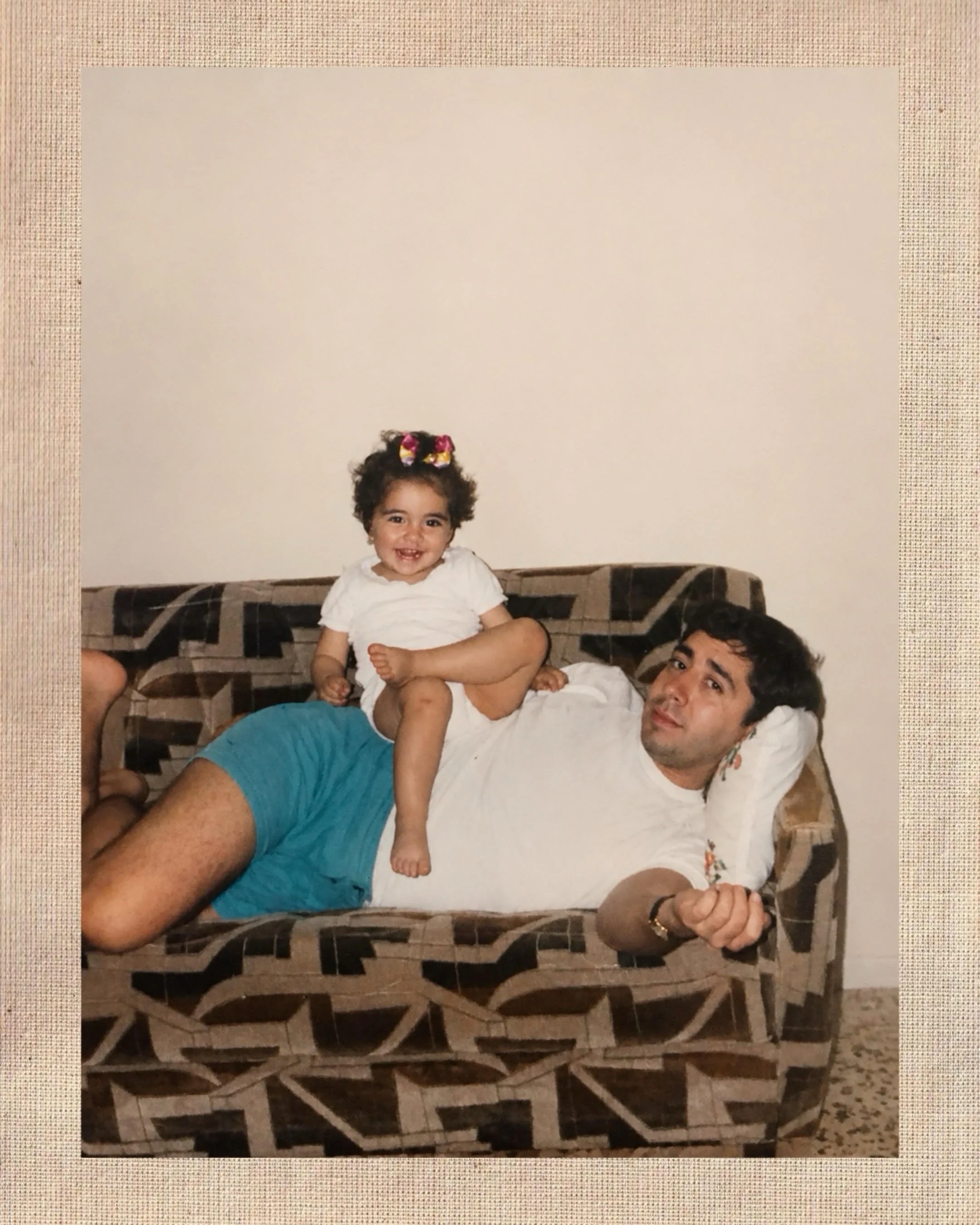
Coming out to my Father while Contemplating Masculinity
As a trans man trying to claim my own masculinity, I think what I've struggled with most is guilt. The contradiction of feeling that I belong to it, in a world that has been harmed by masculinity. That's why I didn't just have to discover my masculinity; I had to rethink it, rebuild it, redefine it for myself.
Read More
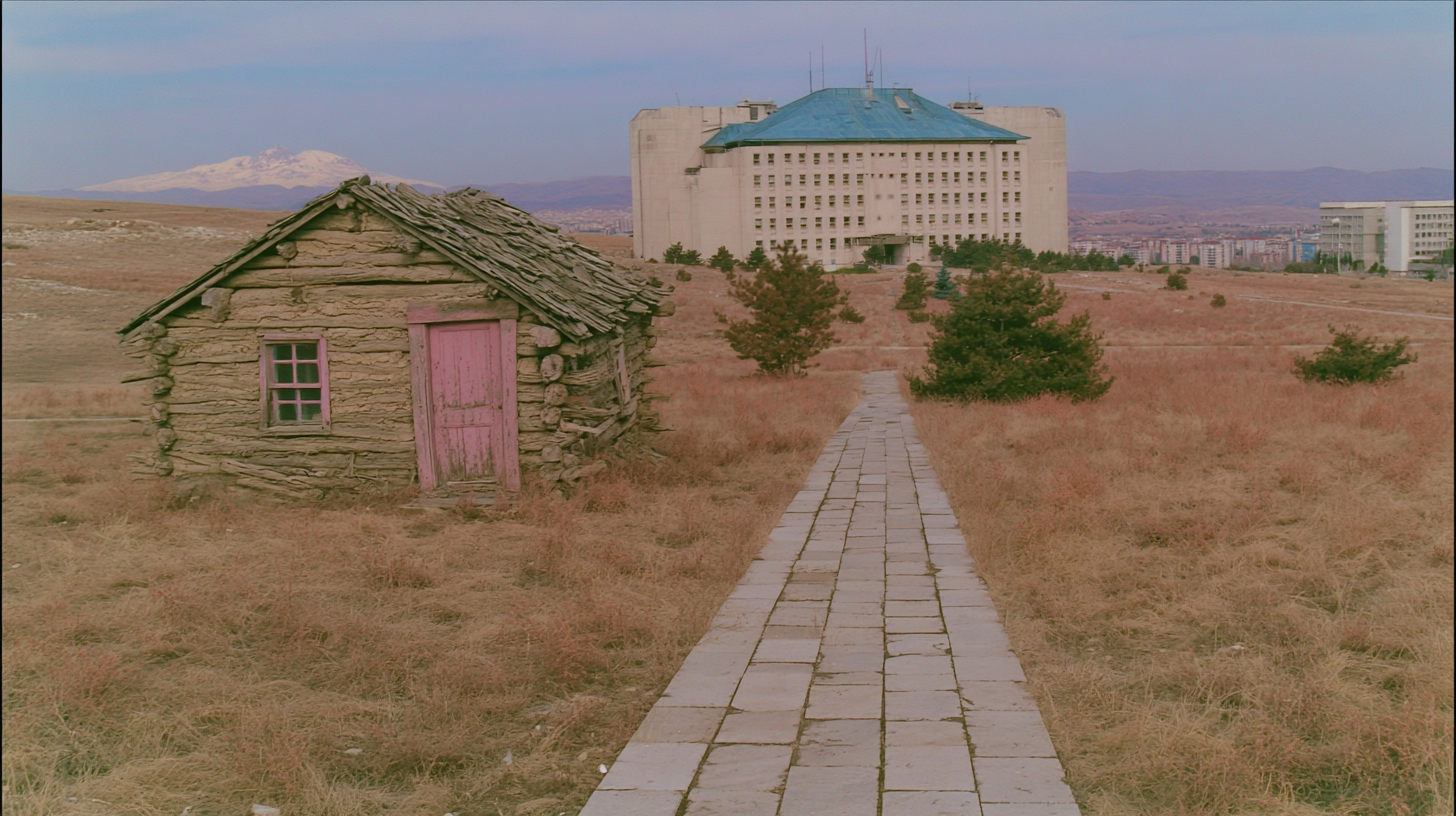
Who the F… is Uncle Tom?!: Confusion, Culture Shock, and Teaching Stowe in Ankara
Uncle Tom’s Cabin does not walk into the classroom alone; it drags behind a century and a half of moral certainty, caricature, and secondhand knowledge.
Read More
Thoughts on Shame
"A man breaking things in fury becomes a sign that something is wrong with the world; a woman withdrawing or naming harm becomes the thing that is wrong."
Read More
Is your Music Taste Sapio? Like IDM, for instance?
IDM gave White boys the power to feel superior by repairing their broken egos against the Black LGBTQI+ community, the original creators of house music.
Read More
The Root of My Name and Why I Bend Pitches
I taught myself to play the piano at twelve… to impress my father, whose approval I’ve always chased.
Read More
Sabahattin Ali & Pertev Naili Boratav: A Friendship in the Shade of Oppression
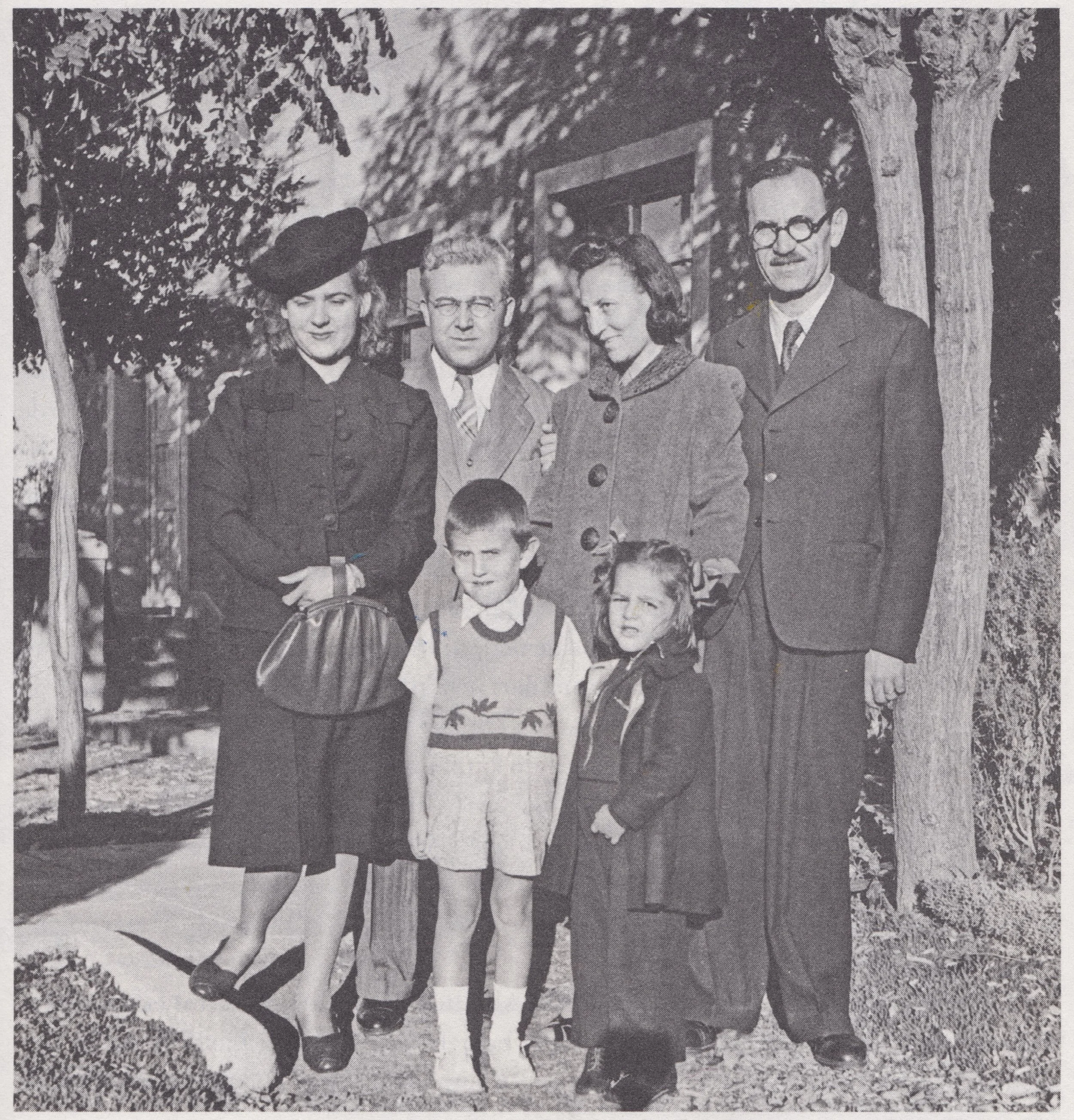
Sabahattin Ali and Pertev Naili Boratav’s friendship is a key chapter in Turkish intellectual history—linking literature, folklore studies, censorship, prison, exile, and political violence in the 1930s–40s. Their story shows how the Turkish state treated dissident thinkers, and why Ali’s murder and Boratav’s persecution still matter today.
Read More
İMÇ as a Field of Tension in Istanbul
Yet a truly open space is unpredictable, contradictory, messy, and at times irritating. Works shown there should expect not only ownership and recognition but also rejection, misunderstanding, even hostility.
Read More
After Gaza: On The Moral Collapse of the Art World
If for artists today, survival, income, and visibility are the priority, let us stop pretending art carries some noble mission.
Read More
After the Rain: A Queer Rupturing of Ideology
Can queerness be free from being an identity? What else could it be? Could I un-identify myself from queerness, not in some kind of un-queering, but to free my queerness from its pre-determination as an identity, to be able to determine myself in a more amorphous sense? Could that be queering in the absolute hardest?
Read More
Palestine’s Weavers and the Museum
Palestinian textiles are dragged along a dark, violent path to museums. The pieces acquired during the British occupation of Palestine come from times of scarcity and need. If a Palestinian is parting with a heavily embroidered piece, it is because they have no other choice.
Read More
Opening Up to Europe: Imitation, approval craving and the perpetual orientalist cycle
The likelihood of an artist from the Middle East coming to Berlin being seen through a non-orientalist lens is almost nonexistent.
Read More